
Cost per Person Screened: 6 Community Health Programs Compared
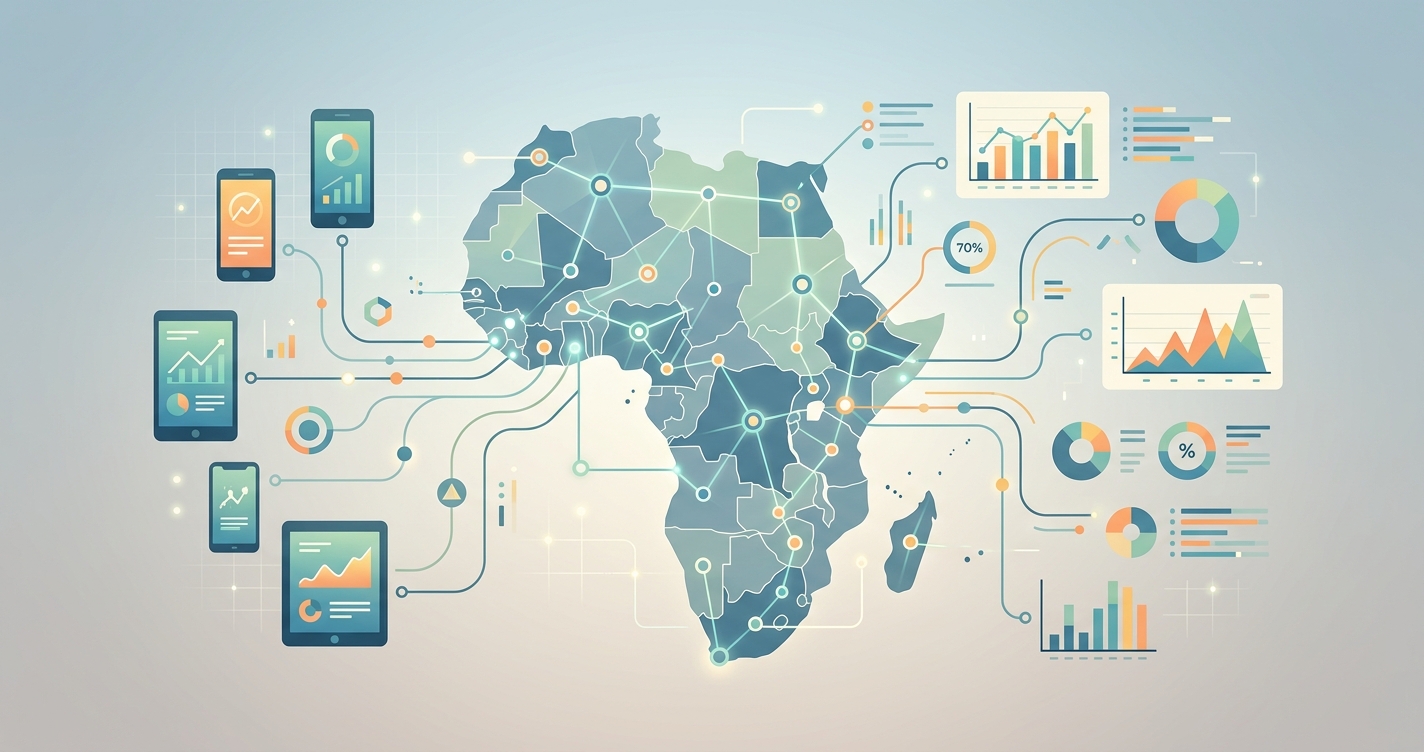
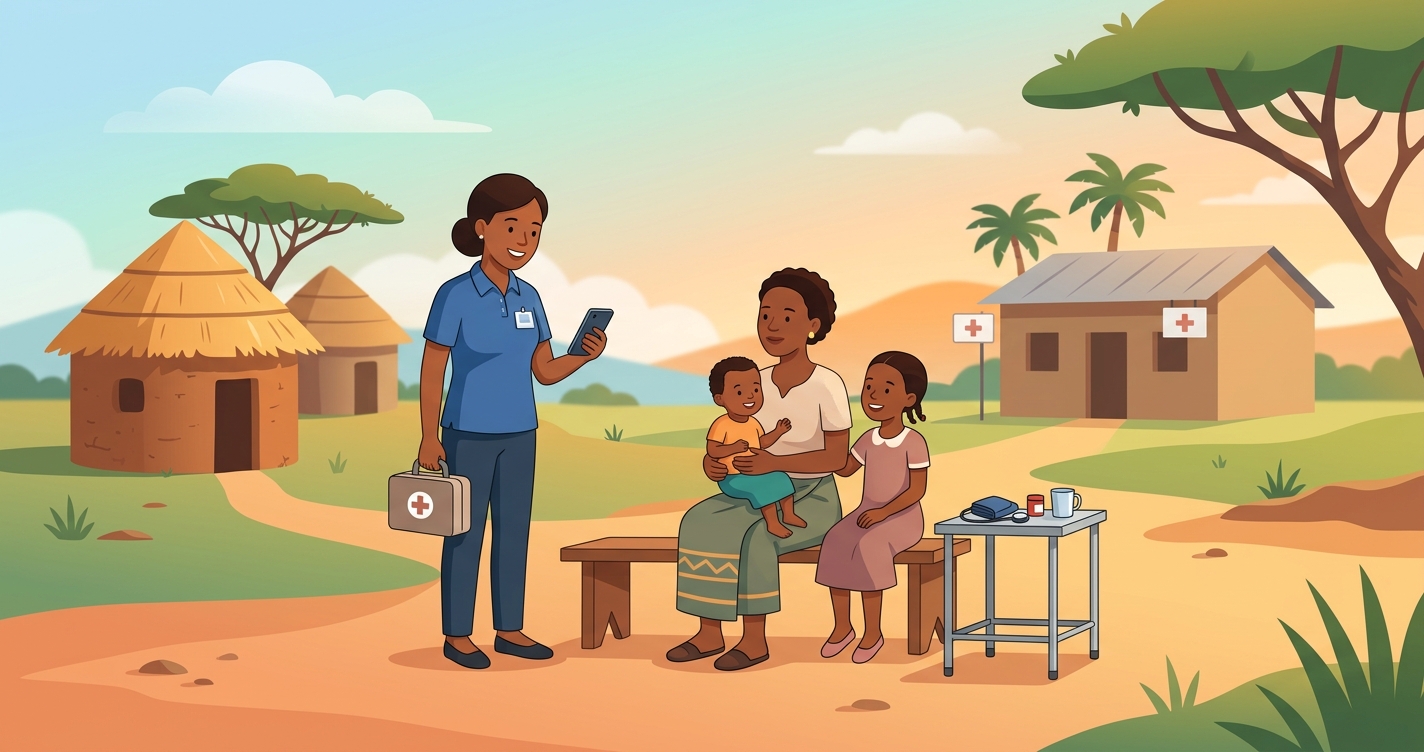
Compare the cost-per-person screened across 6 community health programs in Africa. Discover how digital tools improve community health program outcomes.

Insights on health technology, vitals monitoring, and wellness from the TryCareView team.
Compare the cost-per-person screened across 6 community health programs in Africa. Discover how digital tools improve community health program outcomes.

Discover the essential outcome indicators and reporting metrics that prove global health technology impact to grant-making bodies and academic researchers.

Review comprehensive rPPG field deployment results from across Africa in 2026. Explore accuracy metrics, environmental variables, and research outcomes.

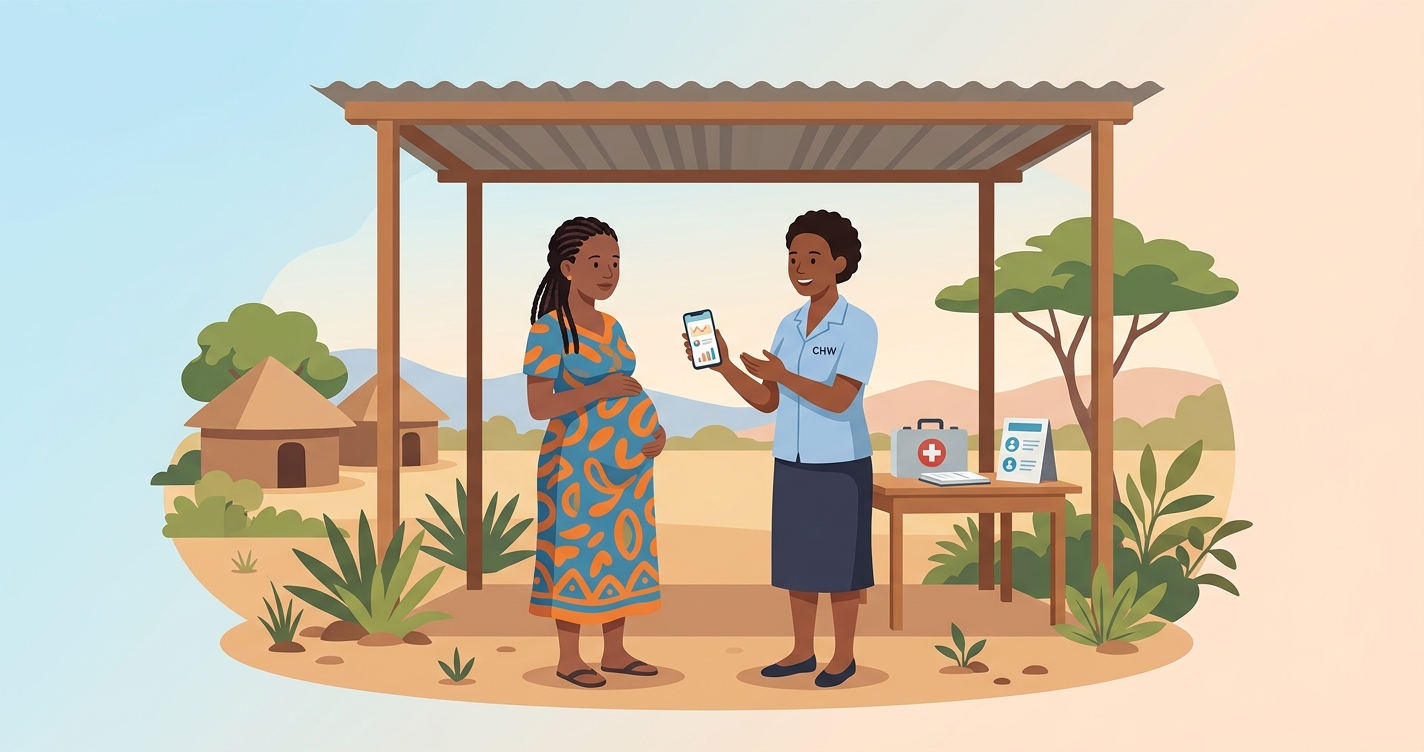
An analysis of maternal health screening outcomes from rural Africa deployments, exploring how mobile health tools and community workers improve risk detection.

An analysis of how reliable health data is captured, stored locally, and synced in low-connectivity regions using offline-first architectures.

A numbered roundup of 7 mHealth deployment stories and mobile health rollout case studies with documented results for global health funding decisions.

How program leads build credible evidence packages to prove health program impact to funders, from theory of change to outcomes reporting and cost-effectiveness.

How to tell a sustainable scale-up from a stalling pilot: the early signals grant-makers and researchers use to assess community health screening program maturity.

A head-to-head review of phone screening vs clinic equipment on detection rates, sensitivity, and cost for public health evaluators planning procurement.

An evidence review of contactless vitals in community health: how camera-based vital sign checks perform in field settings, what studies show, and open questions.

A data-led review of global health technology impact in 2026: how phone screening tools moved measurable outcomes across developing countries, with evidence funders can use.

A practical guide to choosing outcome indicators and tracking community health program outcomes across large screening populations in low-resource settings.

A research review of global health technology impact in remote villages within a single year, with measured community health program outcomes and field evidence.

A benchmark of rPPG field deployment results across five phone-based vitals screening programs, comparing accuracy, sample size, and real-world reach for researchers.

Field results on phone vital sign results in crowded markets: how rPPG screening helps nurses triage sick people fast in community health settings.

Field evidence on contactless vitals community health screening: how camera-based rPPG lets programs measure many people quickly without cuffs or contact.

mHealth deployment stories from remote regions show how community health workers gather fast, reliable health data without clinics or expensive equipment.

How aid workers verify global health technology impact through mHealth deployment stories, field evidence, and measurement frameworks that satisfy funders.

Field deployment evidence on phone vital sign results for pediatric early detection, and what the data means for public health programs and grant-making bodies.

How global health programs measure whether phone-based tools save lives, from proxy metrics to mortality endpoints, for researchers and grant-making bodies.

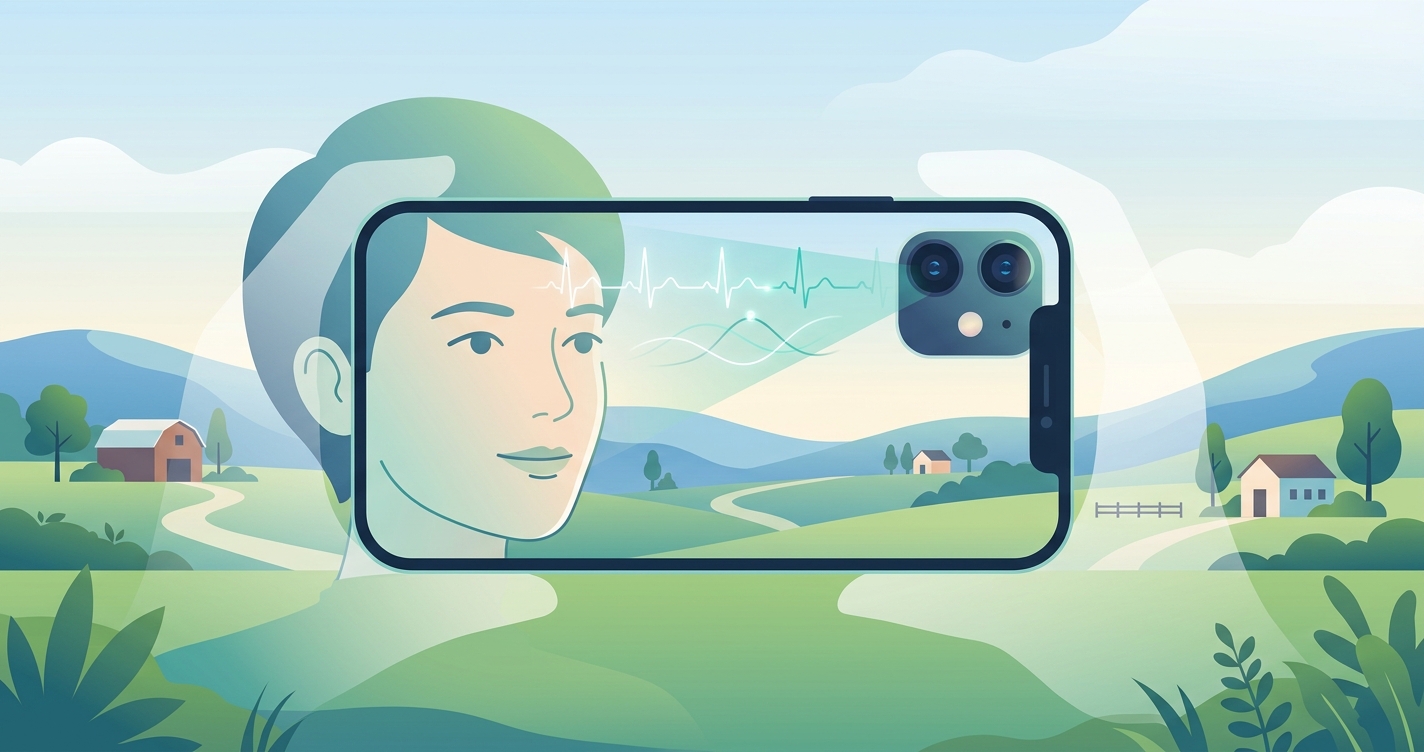
How contactless vitals community health programs let village clinics track heart rate and rhythm using a phone camera, with field outcomes from low-resource settings.

How phone-based family screening is reshaping community health program outcomes, with field evidence and validation data for public health funders and researchers.

How contactless, camera-based screening lets a single health worker capture phone vital sign results for dozens of people in one community session.

How offline vital signs community health tools let frontline workers measure heart rate and more on a phone with no signal, and what deployment data shows.

An evidence review of field data collection technology impact in remote villages, comparing methods, costs, and reliability for global health program decision-makers.

How rapid risk stratification and field screening drive population health screening outcomes, helping public health teams find high-risk people fast.

How remote health monitoring results from a 30-second contactless phone scan help community health workers triage and refer patients faster in low-resource settings.

An evidence review of maternal child health technology impact, examining whether mHealth programs can produce measurable change for mothers and infants within twelve months.

How community health screening phone results are reshaping early detection at population scale, with field evidence from low-resource deployments.

How aid organizations measure health technology impact in community programs, with evaluation frameworks, accountability methods, and field evidence.

How mobile phone health checks rural programs use smartphone cameras to measure vital signs, with field evidence for researchers and public health institutions.

How contactless health screening outcomes are measured at population scale, the logistics of non-invasive monitoring, and what the field evidence shows.

How phone vital signs community health tools detect childhood pneumonia early. A research review of evidence, field accuracy, and implications for global health.

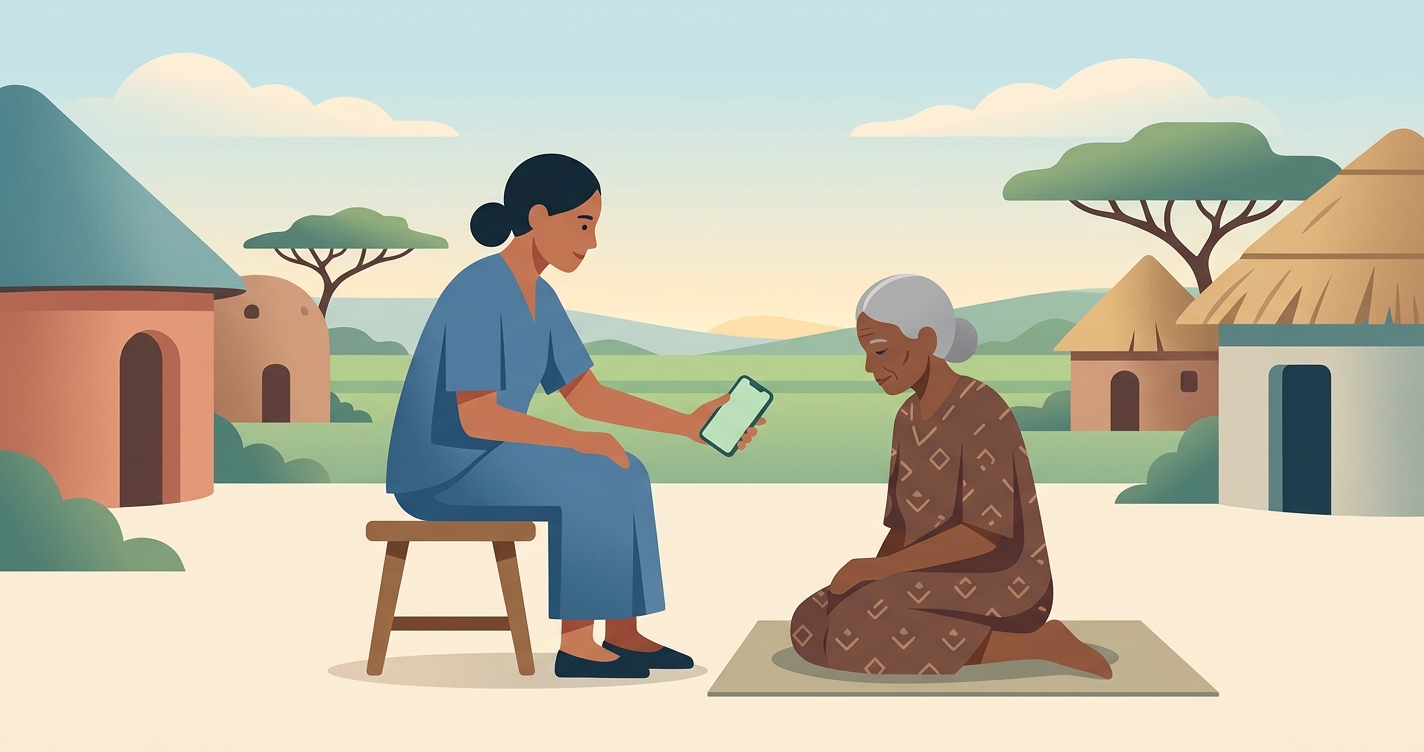
Discover how community health workers are using contactless mobile technology to detect fever and other vital signs, bridging the diagnostic gap in global health.

Exploring the accuracy and field validation of contactless vitals in community health. We compare smartphone-based scans to clinical reference devices in rural and low-resource settings.

Exploring the impact of early warning systems and mobile health technology used by community health workers to identify and triage sick children in low-resource settings.

For millions, a six-hour walk is the reality of healthcare access. This report explores how community health workers armed with smartphones are bridging this gap, with real mHealth deployment stories from across Africa.

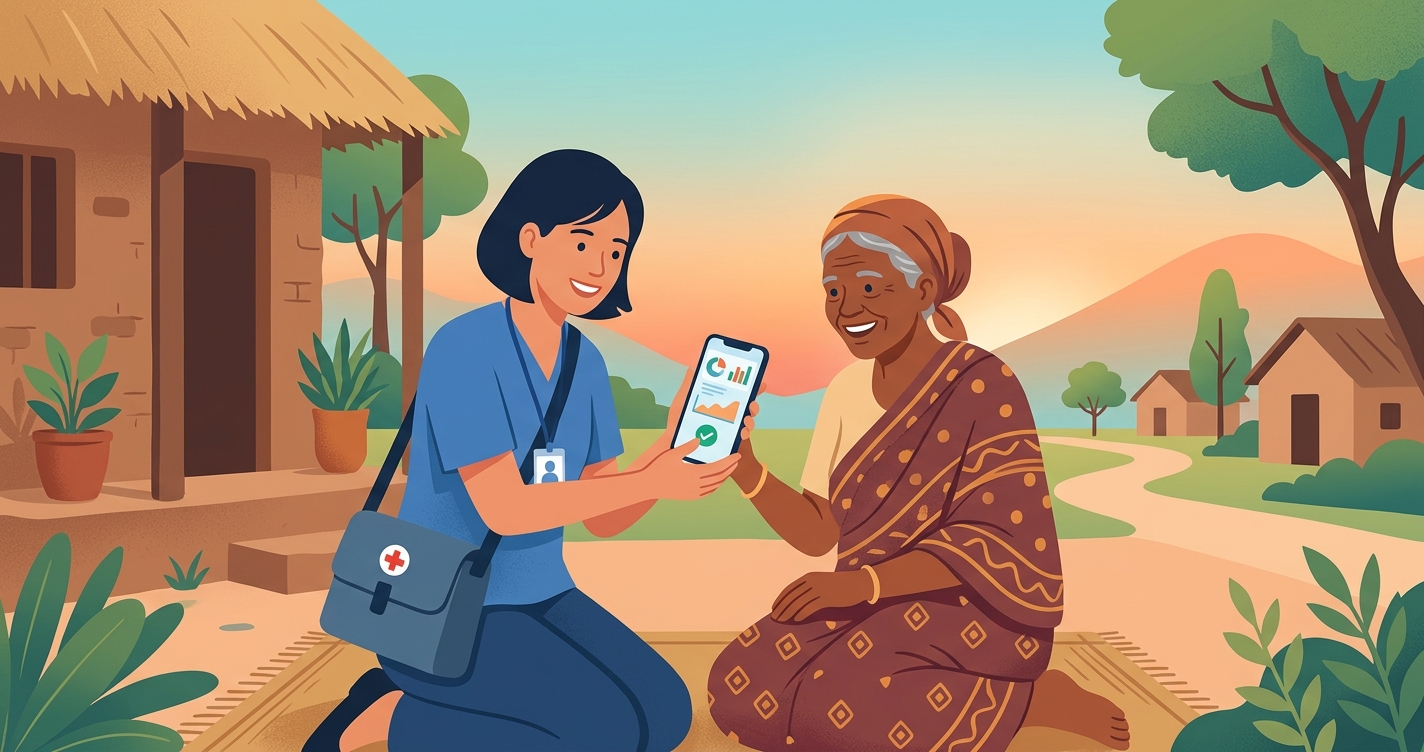
Exploring how smartphones are used by community health workers to capture vital signs in remote villages, assessing accuracy and impact on global health programs.

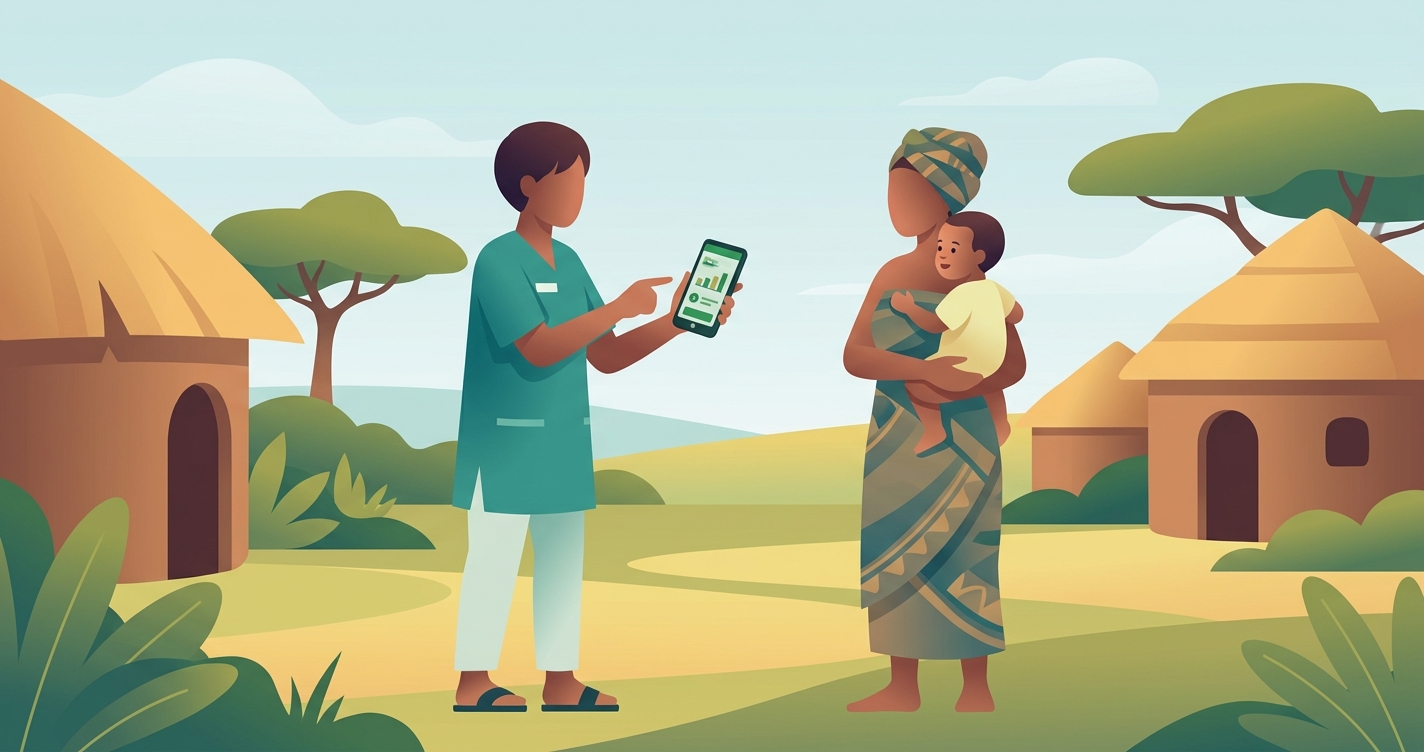
Explore how frontline health workers use contactless vitals technology to monitor newborn heartbeats in low-resource settings, replacing the need for traditional medical equipment.

Investigating why critical maternal health warning signs are missed in rural settings and how community-level screening can improve program outcomes.

An analysis of how contactless screening technology deployed by community health workers is overcoming traditional barriers to improve antenatal visit rates in rural Uganda.

Standardized, publication-ready metrics are essential for validating the impact of community health worker programs. Learn five key metrics for researchers.

A research-based look at how community health program outcomes will be measured in 2026, focusing on the shift from activity metrics to data-driven impact.

A research-style analysis of the criteria and frameworks that grant-making bodies use to evaluate the long-term sustainability of digital health programs.

An analysis of how granular data from village-level health screenings is aggregated to inform and empower national health surveillance systems and public health strategy.

Analysis of over 50,000 community health screenings in East Africa reveals unexpected data trends that are reshaping public health program design and resource allocation.

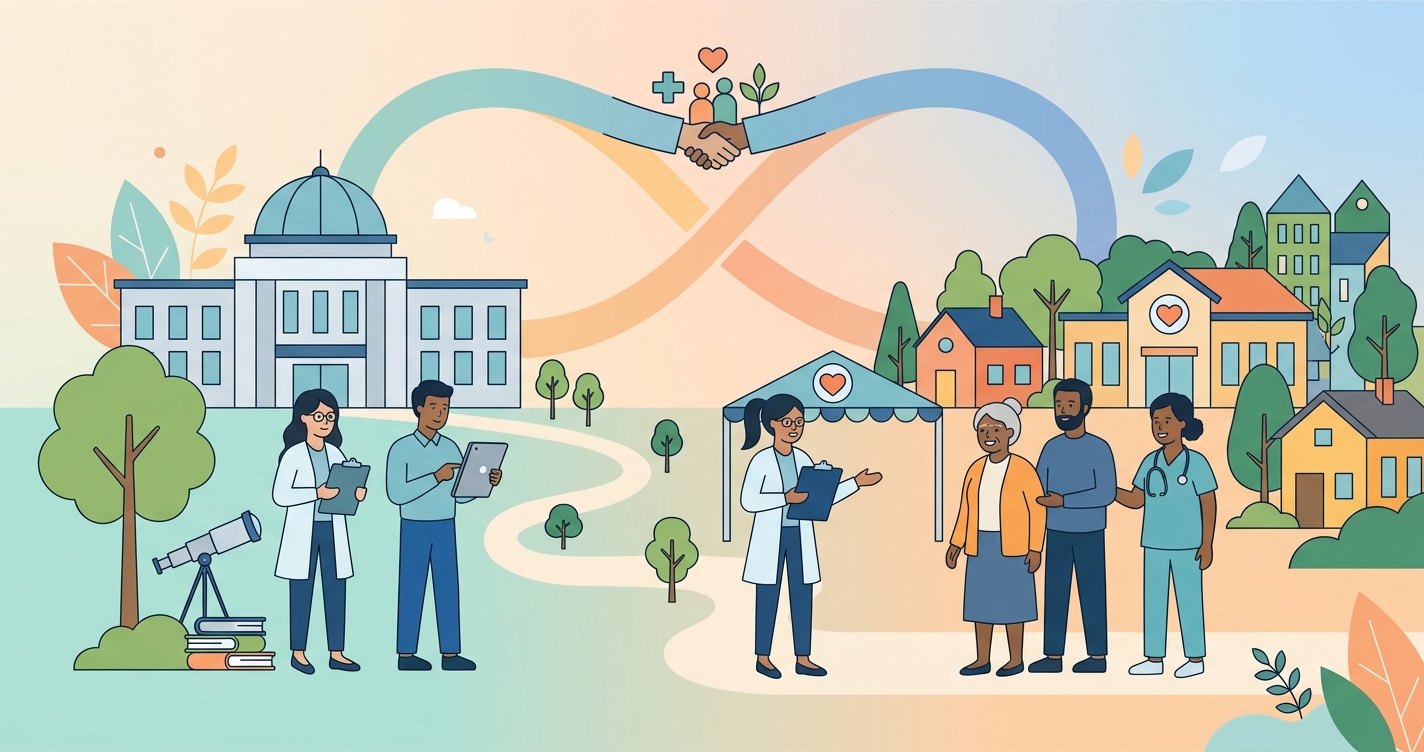
A deep dive into the collaborative models, benefits, and challenges of partnerships between academic researchers and community health programs for field studies.

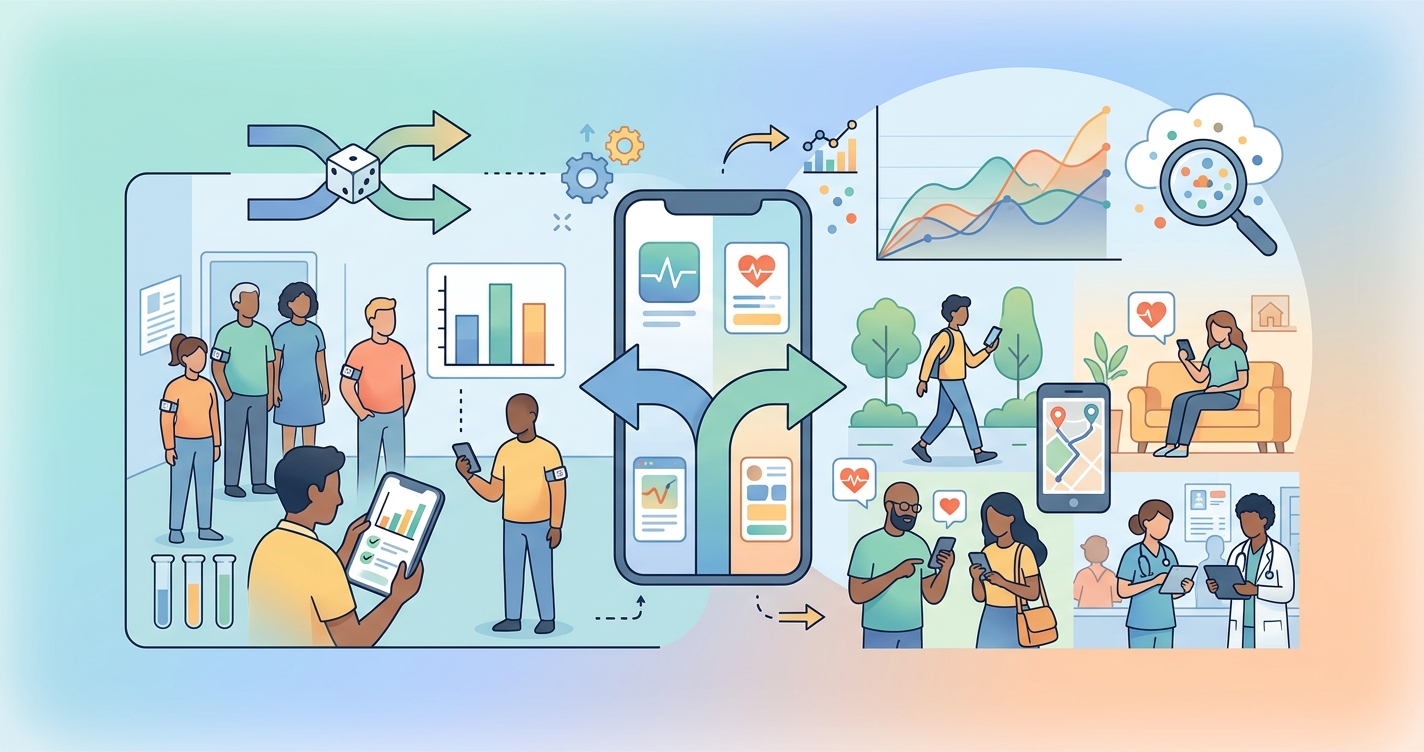
A deep dive into the debate between Randomized Controlled Trials (RCTs) and Real-World Evidence (RWE) for evaluating mHealth outcomes in global health.

A research-style analysis of health technology impact evaluation methods for field programs, tailored for public health institutions and grant-making bodies.

Community champions are crucial for integrating new health technologies in global health. Discover how these local leaders drive adoption and improve outcomes.

After three years of mHealth field deployments, the lessons learned highlight the importance of infrastructure, training, and community trust for long-term success. A review of outcomes and future directions.

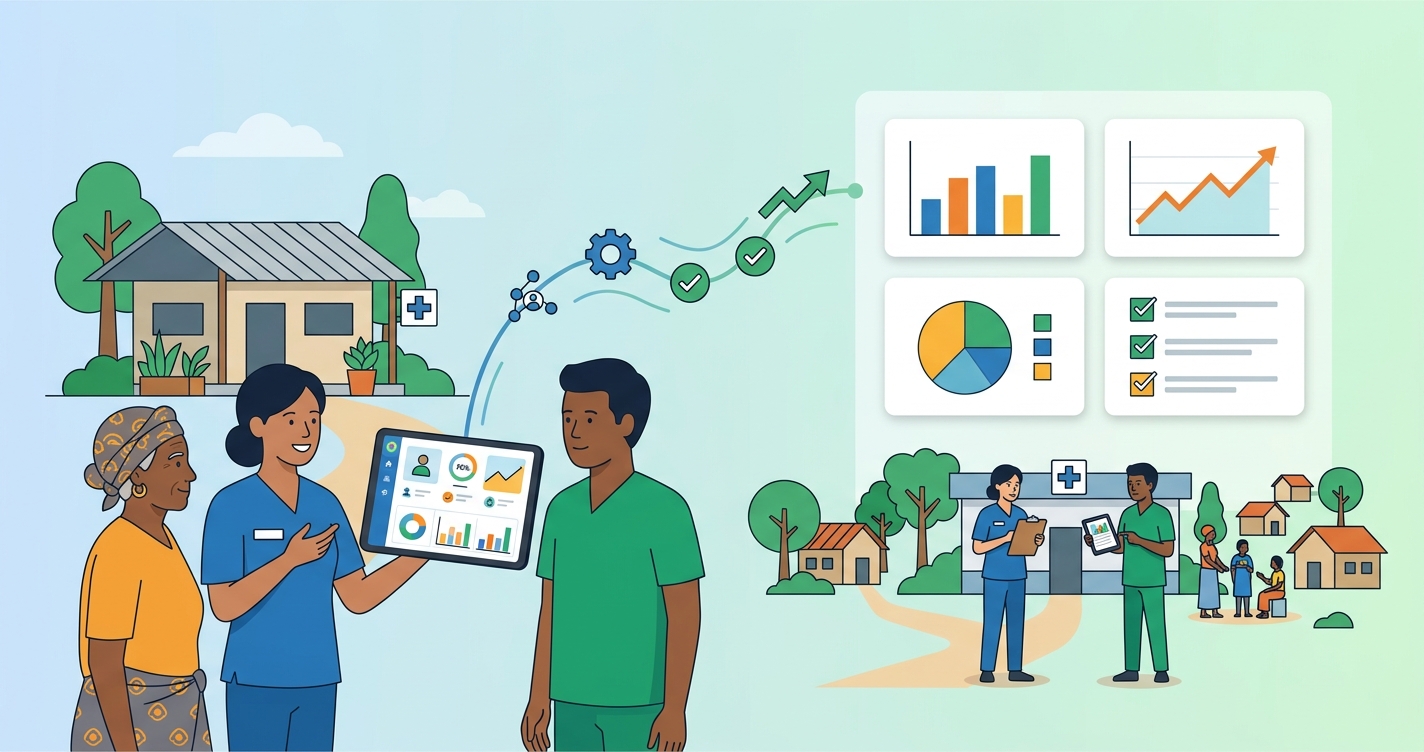
Explore the shift from paper registers to dynamic data visualization in East African health screening programs and its impact on public health.

A research-based analysis of how digital health tools are transforming the roles and impact of female community health workers across Africa.

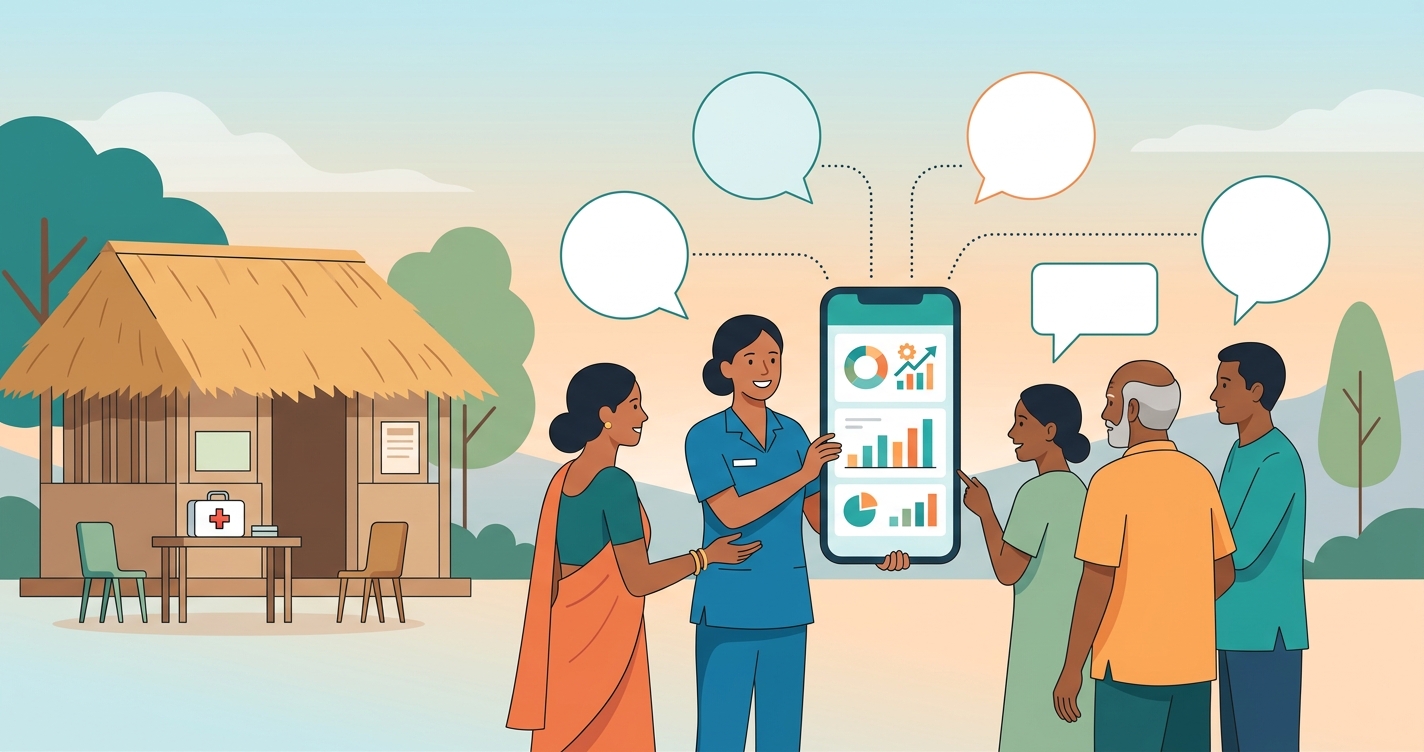
Community-level data is moving from a niche reporting tool to a core asset in understanding population health. We explore the data, the systems, and the outcomes.

A research-style analysis of how proactive community health screening initiatives are changing the frequency, type, and timing of clinic visits in rural settings.

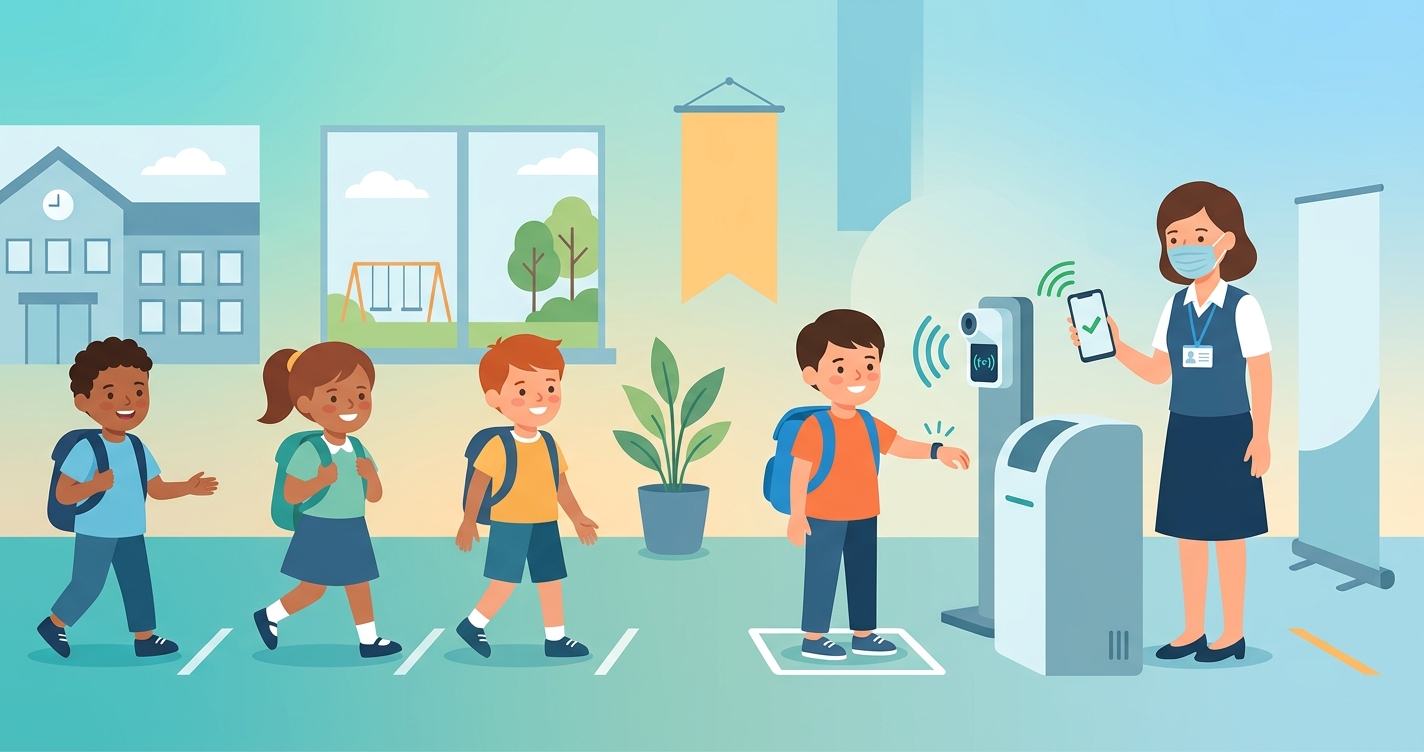
A research-style analysis of how school health programs are using contactless screening technologies to improve health outcomes for students globally.

A field-based analysis of how a district health office Uganda referral delays screening strategy can improve handoffs, follow-up, and local decision-making.

A research-based look at why human side health technology stories matter, from community trust and worker adoption to referral follow-through in global health programs.

A research-based analysis of how community feedback shapes digital health programs, from design choices and worker adoption to trust, referrals, and long-term use.

What health ministry officials say about screening technology, from interoperability and workforce training to privacy, procurement, and rural deployment realities.

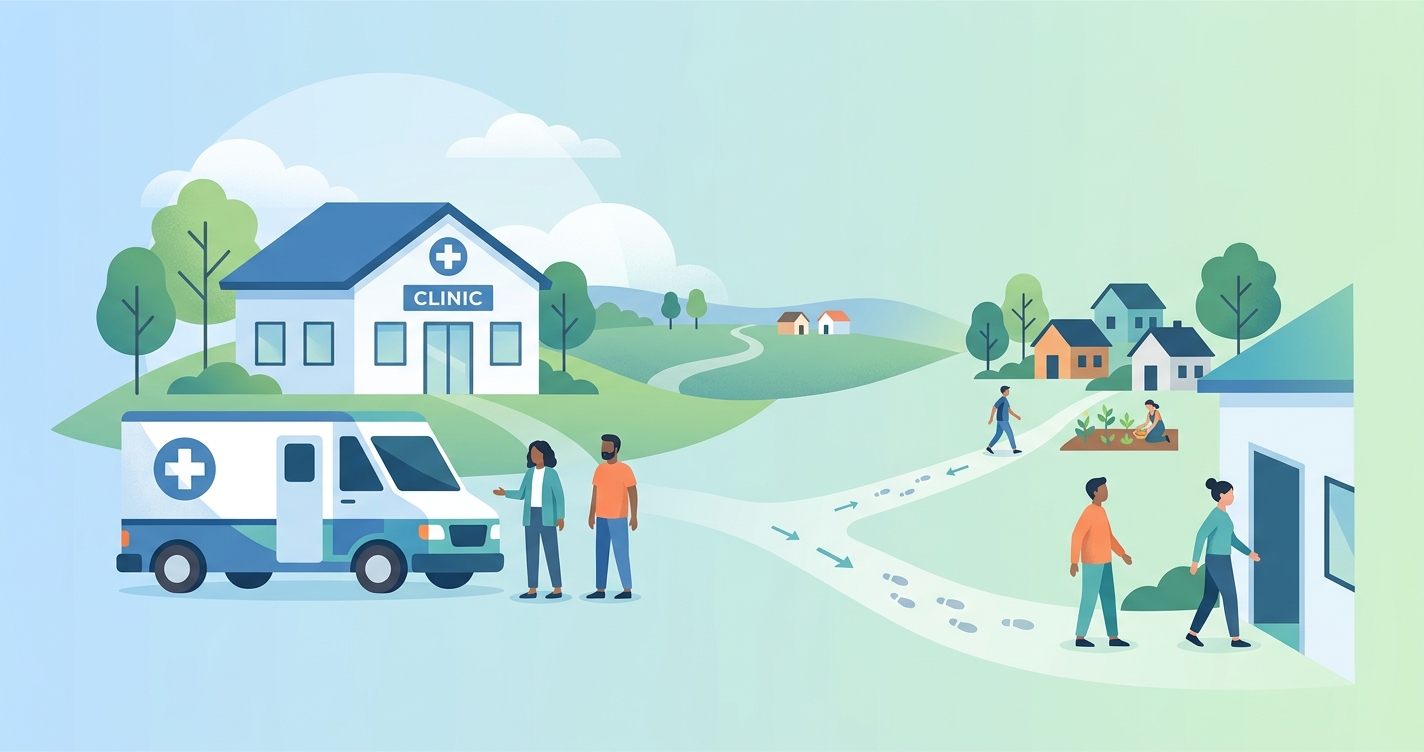
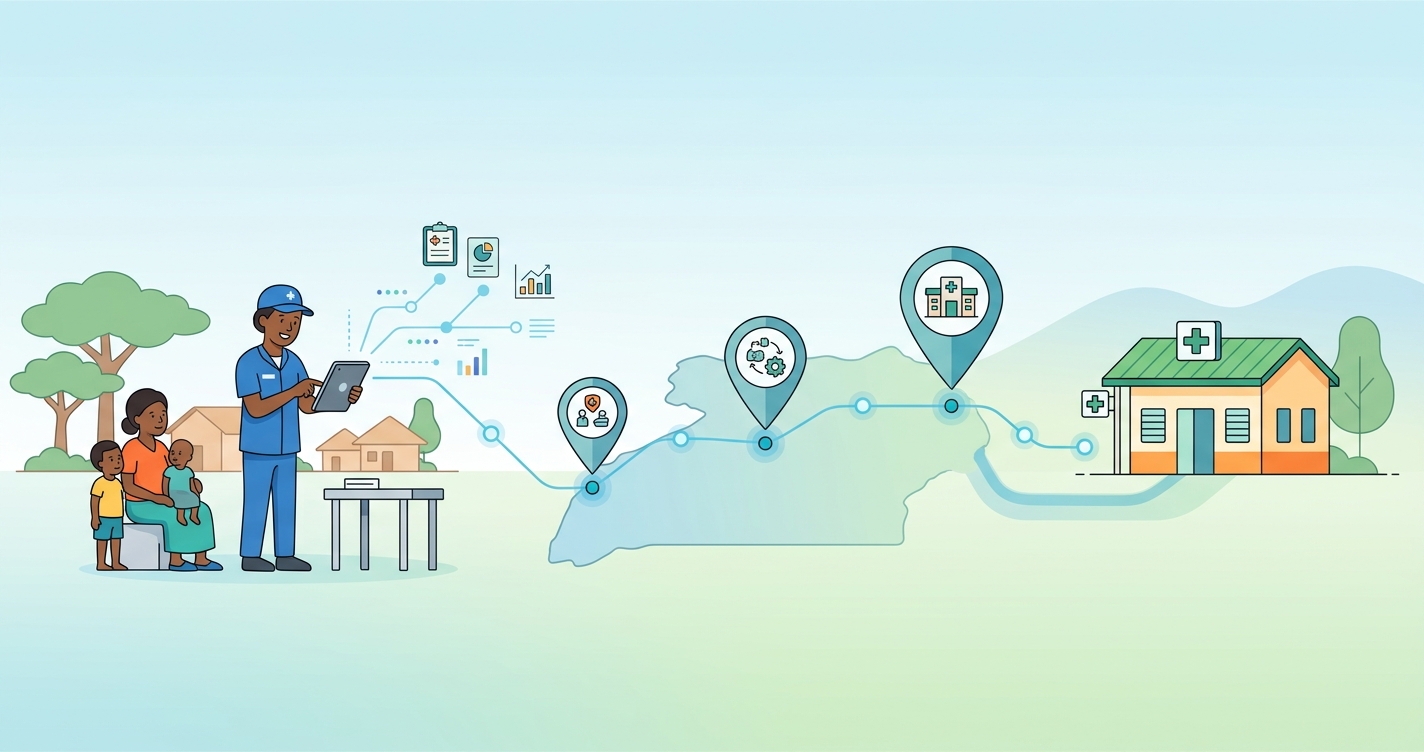
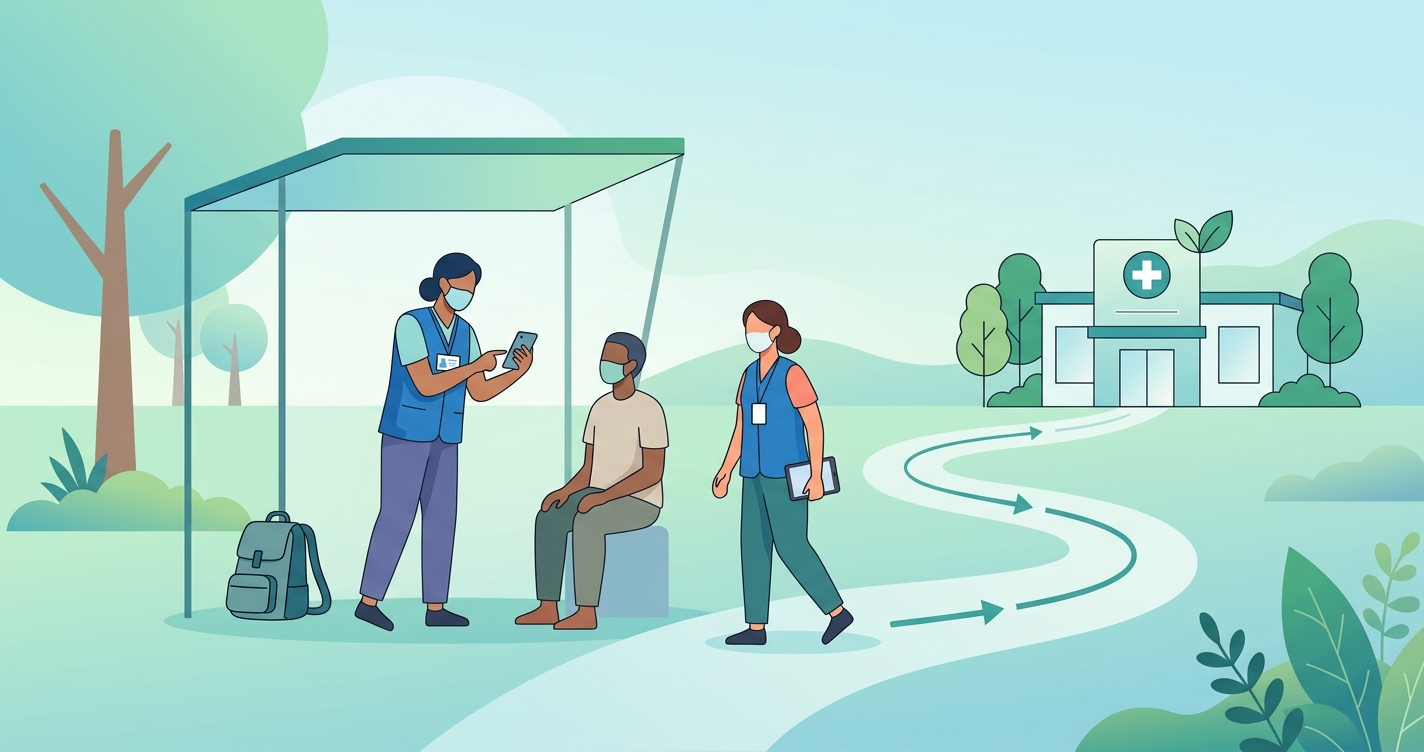
A field-based analysis of health screening referral pathways, from community screening and triage to clinic arrival, follow-up, and real-world completion gaps.

An evidence-based look at what community health workers think about digital tools, including trust, training, cost barriers, and field-level adoption.

A research-based look at how health screening programs build community trust through local workers, referrals, feedback loops, and credible follow-up care.

An evidence-based look at how mothers in Uganda experience prenatal health screening, from antenatal contacts and CHW outreach to digital tools in rural care.

An examination of how Uganda's village health teams are integrating smartphone-based screening technology into community health workflows, with implications for researchers and public health institutions.

A single smartphone introduced into a rural village health post in Malawi transformed screening workflows, generating lessons for global health program design.

Qualitative findings from household interviews across four African countries reveal how families experience and perceive contactless health monitoring technology.

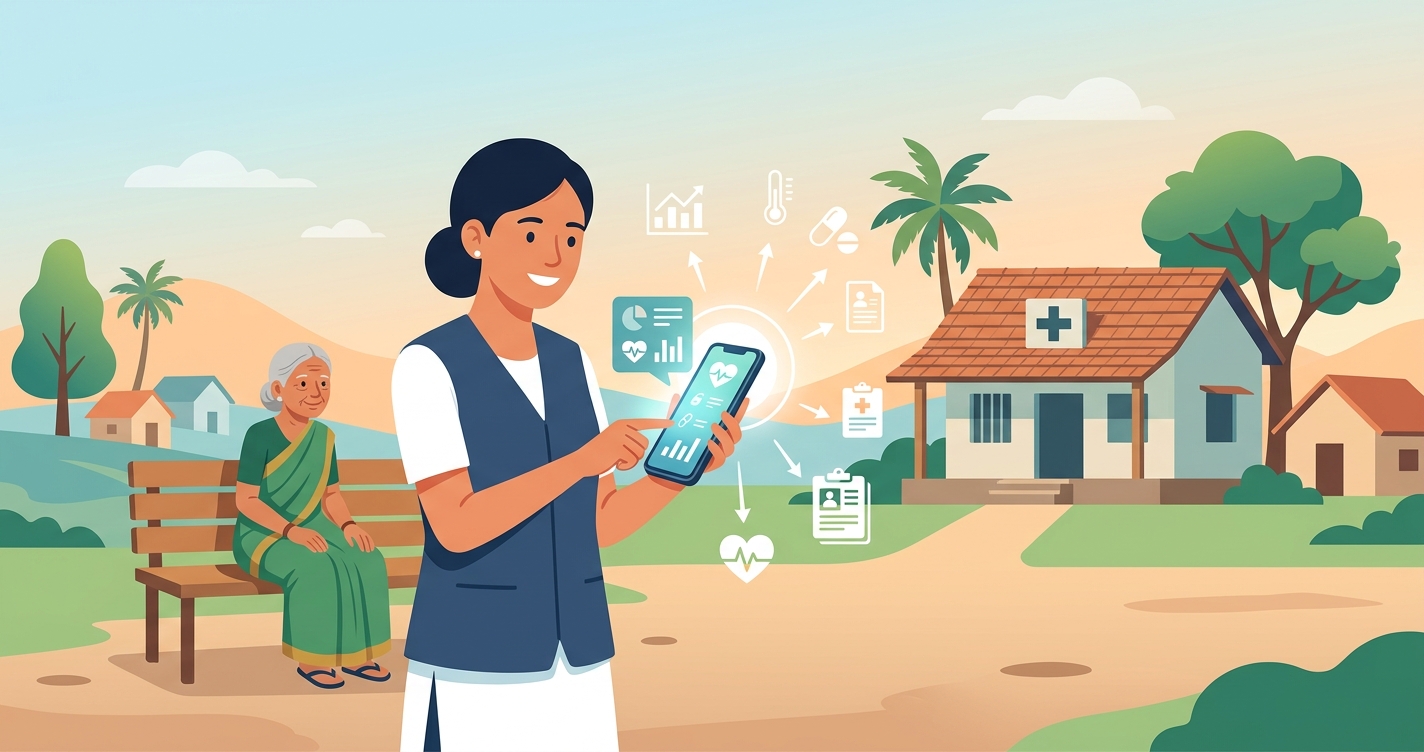
Following a digital community health worker through a full day of household visits reveals how smartphone-based screening tools are transforming primary care workflows in resource-limited settings.

Field narratives from community health workers in Uganda reveal how contactless monitoring technology is reshaping primary care delivery in resource-limited settings.

Analysis of lessons learned from a 10,000-scan contactless health screening field program, with data on workflow patterns, operational challenges, and research implications for public health institutions.