Blood Pressure Screening at Scale: What Field Data Shows
Field data reveals how scaling community blood pressure screening surfaces undiagnosed hypertension, and how digital tools are changing global health outcomes.
The primary barrier to managing cardiovascular disease in low-resource settings is not a lack of effective medication, but a profound lack of detection. When hypertension remains silent, it progresses unchecked until an acute event forces a patient into an overburdened clinical facility. For decades, global health programs relied heavily on opportunistic detection, waiting for symptomatic individuals to arrive at a centralized clinic. Today, the approach is moving from reactive facility-based care to proactive population management. By moving diagnostic capabilities out of the clinic and directly into the field, mass blood pressure screening community health initiatives are beginning to capture the data necessary to understand the true scope of the disease burden. The introduction of mobile technologies is transforming how these initiatives operate. Health ministries are recognizing that building more clinics will not solve the immediate detection crisis.
"The pooled prevalence of undiagnosed hypertension in the Horn of Africa has reached 17%, with recent data indicating a steady climb toward 20%. This is a silent crisis that clinical facilities alone cannot intercept." , Systematic Review Findings, PLOS One, 2023
Expanding blood pressure screening community health initiatives
When district health teams attempt to run a blood pressure screening community health drive using standard clinical equipment, they encounter immediate logistical ceilings. A single automated blood pressure cuff requires consistent battery supplies, regular calibration, and careful handling to survive rough transit over unpaved roads. In a busy market town, a community health worker might spend several minutes per patient adjusting the cuff, waiting for the reading, dealing with errors from patient movement, and manually recording the data into a paper register. At that pace, screening a district population of 10,000 people takes weeks of dedicated labor and vast operational expenditure.
Scaling detection requires a shift in the mechanics of measurement. Instead of distributing fragile hardware, modern global health programs are using devices already present in the field: smartphones. Digital and mobile-enabled screening programs allow health workers to measure, record, and transmit vital signs rapidly. This approach removes the bottleneck of equipment scarcity. When a mobile application functions as a vital sign monitor, every field worker with a phone becomes a mobile screening unit.
Furthermore, traditional equipment introduces physical friction. Cuffs come in specific sizes, and using an improperly sized cuff on an adult leads to inaccurate readings. Tubing degrades in high humidity, and Velcro fasteners wear out after thousands of uses in mass screening environments. Software-based screening eliminates these physical failure points. The time cost per patient drops dramatically, allowing public health institutions to deploy programs that match the actual scale of the population they serve.
| Metric | Traditional Clinic-Based Screening | Mobile-Enabled Community Screening |
|---|---|---|
| Hardware Requirement | Dedicated physical cuffs and monitors | Standard smartphone device |
| Throughput Capacity | 10 to 15 individuals per hour | 30 to 40 individuals per hour |
| Data Collection Method | Manual transcription to paper registers | Automated digital logging and cloud sync |
| Geographic Reach | Constrained to facility radius | Extends to remote homesteads and markets |
| Physical Degradation | High (tubing, Velcro, calibration drift) | None (software-based deployment) |
| Marginal Cost per Scan | High labor and consumable cost | Near-zero marginal cost |
The transition to mobile-first field deployments provides several immediate operational advantages for grant-making bodies:
- Reduces the need for specialized hardware procurement and continuous maintenance budgets.
- Eliminates manual data entry errors that commonly corrupt large-scale epidemiological health surveys.
- Accelerates patient triage by flagging high-risk individuals instantly at the point of care.
- Standardizes the screening protocol across hundreds of distinct field workers operating in different regions.
- Enables real-time visibility into program performance for remote management teams.
Industry applications: deployment in the field
Integration with routine care
In rural settings across sub-Saharan Africa, community health workers are the definitive first line of care. Integrating blood pressure checks into their routine household visits requires tools that do not add physical weight to their kits. Mobile health applications fit seamlessly into existing digital survey workflows. When a health worker visits a home for maternal health follow-ups or infectious disease monitoring, they can conduct a cardiovascular screening for adult family members simultaneously. This multi-disease approach maximizes the value of every household visit and ensures that chronic condition screening becomes a standard component of primary health outreach.
Large-scale population surveys
For academic researchers designing population health interventions, baseline data is critical. Traditional epidemiological surveys demand massive budgets to deploy clinical teams across large geographical areas. Digital screening allows these organizations to partner with existing community health networks rather than building parallel clinical structures. By outfitting local workers with mobile screening applications, researchers gather highly granular, geo-tagged cardiovascular data across thousands of individuals. This data provides a far more accurate representation of population health than statistical modeling based on sparse clinic visits.
Resource allocation for district health offices
District health officers operate in environments of chronic resource scarcity. When field data highlights specific villages or wards with unusually high clusters of severe hypertension, health officers can direct their limited resources, such as medication shipments or mobile clinical teams, exactly where they are needed most. Mass screening data transforms resource allocation from a process based on historical guesswork to one driven by real-time epidemiological intelligence.
Current research and evidence
The empirical case for decentralized, digitally enabled screening is strengthening rapidly within the academic community. A major retrospective study published in BMJ Public Health (2024) analyzed data from over 63,000 patients across Ghana, Kenya, Sierra Leone, and Tanzania between 2019 and 2024. Researchers including Professor Sir Aziz Sheikh, Dr. Oren Ombiro, and Dr. Gladwell Gathecha from Oxford University and partner institutions found that utilizing mobile technology alongside community health worker training fundamentally shifted patient outcomes. In this digitally enabled program, the proportion of patients achieving controlled blood pressure rose significantly, from 35% to 53%. The data indicates that when health workers have digital tools to track patients over time, follow-up rates improve and patients are less likely to fall out of the care continuum.
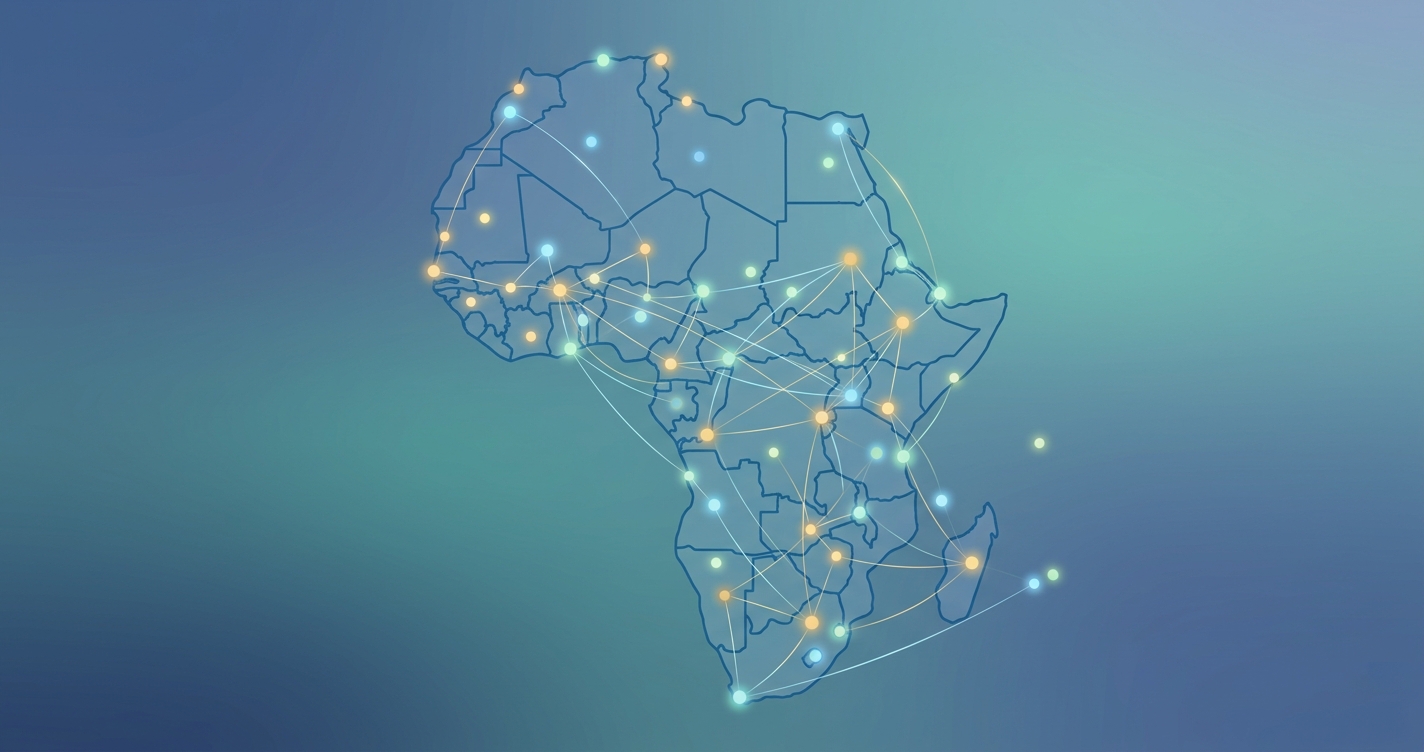
Furthermore, field data continues to expose the massive scale of the undetected burden. According to a 2023 systematic review published in PLOS One, the pooled prevalence of undiagnosed hypertension in the Horn of Africa was 17%, with the trend climbing to 20% in recent years. The authors noted that this increase aligns with rapid urbanization and shifting dietary patterns across the continent. This data confirms what field workers report qualitatively: vast segments of the population are living with dangerous blood pressure levels without any interaction with the formal healthcare system. Community-level screening powered by scalable technology is the only mechanism capable of surfacing these individuals before they suffer acute and costly cardiovascular events.
The future of blood pressure screening
The next phase of global health diagnostics will move beyond simple data collection toward integrated clinical decision support systems. As smartphone-based screening tools mature, they will Capture vital signs. Connect directly to national health information systems, such as DHIS2. When a community health worker detects stage 2 hypertension in a remote village, the software will automatically alert the nearest district clinic, reserve the necessary medication in the inventory system, and generate a localized follow-up schedule for the patient.
For public health programs, this means the cost-benefit calculus of mass screening is changing permanently. The historical argument against mass population screening is that it requires too much labor and equipment to find a single positive case. That argument is collapsing under the efficiency of digital tools. With the marginal cost of a digital scan approaching zero, health ministries and grant-making bodies can justify screening entire adult populations proactively. The data generated from these massive deployments will provide unprecedented visibility into the cardiovascular health of underserved regions, enabling highly targeted interventions that prevent disease progression rather than simply treating its late-stage complications.
Frequently asked questions
How does mobile technology change mass hypertension screening? Mobile technology replaces dedicated physical hardware with software applications running on standard smartphones. This allows health workers to screen more people rapidly without carrying extra equipment, while automatically digitizing the results for immediate analysis.
Why is undiagnosed hypertension so common in low-resource settings? The condition is often asymptomatic in its early stages. In regions where individuals must travel long distances and lose a day of wages to reach a clinic, people rarely seek medical care unless they are actively ill, missing the critical window for early detection.
What are the primary metrics used to evaluate these screening programs? Evaluators focus on the total number of individuals screened, the percentage of newly identified high-risk cases, the successful referral rate to clinical facilities, and the population-level improvement in blood pressure control over a sustained period.
How do academic researchers utilize community screening data? Researchers use anonymized, aggregated field data to map disease prevalence precisely, track longitudinal health trends, and measure the long-term effectiveness of specific public health interventions at a population scale.
Addressing the global burden of cardiovascular disease requires shifting diagnostics from the facility directly into the community. Public health institutions and academic researchers need scalable tools to uncover hidden health risks before they develop into clinical emergencies. Circadify is actively developing technologies to support this transition, building infrastructure that allows organizations to deploy software-based vital sign assessments across massive populations efficiently. To explore the clinical evidence behind contactless measurement and discover how it integrates into public health research, visit the Circadify Research Blog.