How Community Champions Drive Health Technology Adoption
Community champions are crucial for integrating new health technologies in global health. Discover how these local leaders drive adoption and improve outcomes.
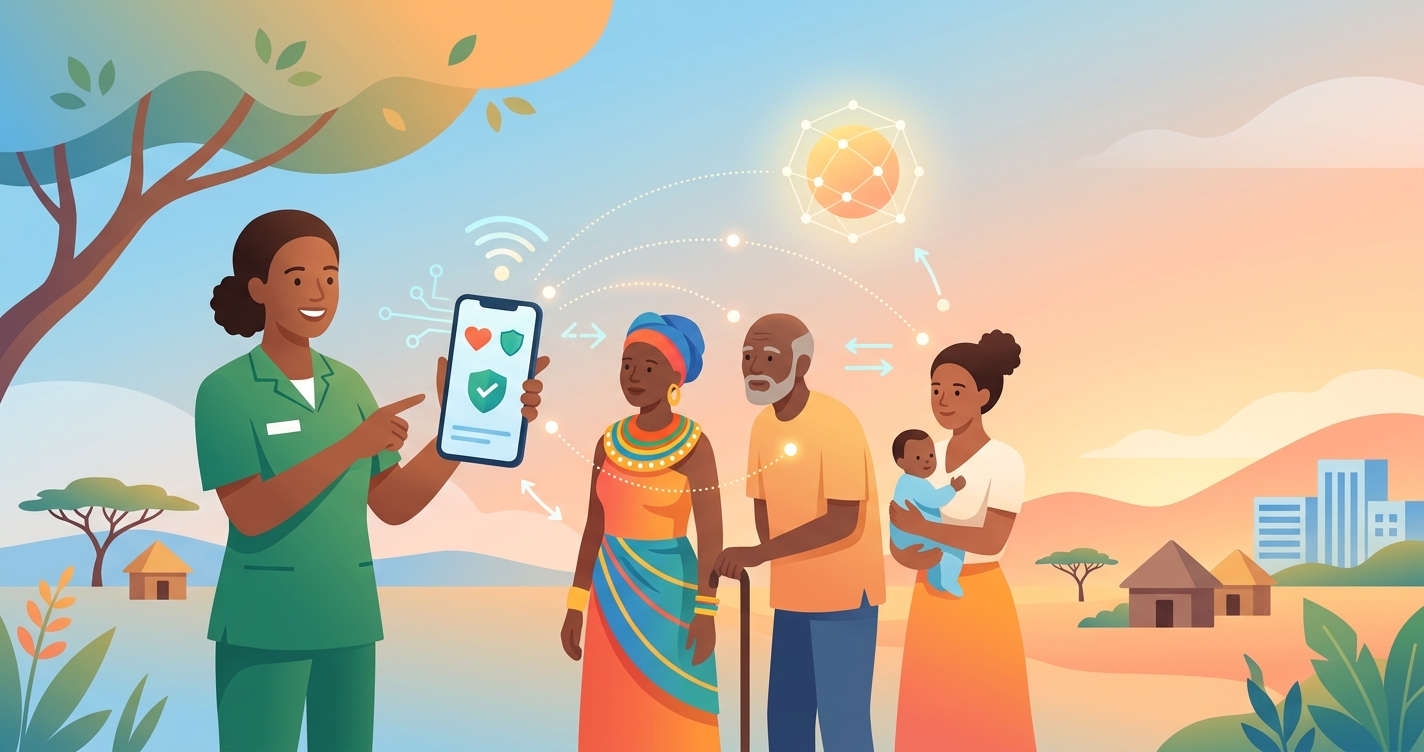
Community champions and health technology adoption success are deeply intertwined, especially in the context of global health programs. While technology developers often focus on features and functionality, the success of a new tool in a real-world community setting frequently depends on the human element. These champions, often drawn from the community itself, are the essential bridge between technological innovation and its practical, sustainable use on the ground. Their influence is not a soft, unquantifiable factor; it is a critical driver of program outcomes.
"A 2021 study in the Annals of Global Health found that health projects utilizing community champions saw a 43% higher rate of technology adoption compared to those without."
The central role of community champions in health technology adoption
The term 'community champion' can refer to various roles, from official Community Health Workers (CHWs) to informal leaders who naturally command respect and trust. In the sphere of health technology, their function is to translate the abstract benefits of a new tool into the tangible realities of daily life for their neighbors. The successful community champions health technology adoption model is one where the champion is not just a trainer but a trusted advisor, a first line of support, and a vital feedback channel for program implementers.
Their work addresses the most common barriers to technology adoption: mistrust, lack of digital literacy, and a perceived lack of relevance. A study by researchers at the University of Cape Town (2022) noted that when a known and trusted person introduces a new health technology, such as a contactless vital signs scanner, community members are more likely to engage with it. This is because the champion's endorsement carries more weight than any external marketing or top-down mandate.
| Champion Model | Key Characteristics | Strengths | Challenges |
|---|---|---|---|
| Embedded CHW | Formalized role with government or NGO; receives stipend/salary; integrated into the health system. | Formal training, clear reporting lines, access to resources. | Can be perceived as an outsider; high training costs; risk of demotivation if support is weak. |
| Peer Leader | Informal role, often voluntary; selected based on social standing and influence. | High intrinsic motivation, deep community trust, culturally aligned communication. | Lack of formal support, potential for burnout, inconsistent training. |
| Clinic-Based Advocate | Nurse or other clinical staff who promotes technology to patients. | High medical credibility, integrates technology into clinical workflow. | Limited time, may not reach non-clinic-going population. |
- Trust as a Foundation: Champions use pre-existing social relationships.
- Hyper-Local Communication: They explain technology in local dialects and metaphors.
- Practical Support: They assist with troubleshooting, charging devices, and data interpretation.
- Feedback Loop: They relay community concerns and suggestions back to the program.
Industry applications in global health
The principles of community-led technology adoption are being applied across various health domains in Africa, demonstrating the adaptability and impact of this approach.
Maternal and child health
In Uganda and Malawi, several mHealth initiatives have equipped CHWs with smartphone apps to track pregnancies, record vaccination schedules, and identify danger signs in newborns. A 2023 report from the Bushenyi District Health Office in Uganda showed that CHWs, acting as community champions for these digital tools, increased rates of skilled birth attendance by 25%. They were able to use the technology to schedule transport to clinics and provide mothers with timely reminders, directly addressing local barriers to care.
Infectious disease surveillance
In the response to infectious disease outbreaks, rapid and accurate information is critical. Community champions in rural Kenya have been trained to use simple mobile reporting tools to notify health authorities of potential cases. This model, documented by the African Population and Health Research Center (APHRC) in 2022, has been shown to decrease the time between outbreak detection and response by an average of 48 hours. The champions are trusted by the community, who are more willing to report sensitive health information to a neighbor than to an external official.
Chronic disease management
As populations age, the burden of non-communicable diseases (NCDs) like hypertension and diabetes is growing. In peri-urban areas of South Africa, community champions are using contactless screening technologies to monitor blood pressure and blood glucose levels. These champions, often NCD patients themselves, provide peer support and education on lifestyle modifications. Their ability to contextualize the data from the technology and link it to daily habits is something a standalone app cannot replicate.
Current research and evidence
The evidence base for community champions in health technology adoption is growing. A systematic review published in BMC Public Health (2020) analyzed dozens of studies and concluded that CHW-led mHealth interventions consistently improve a range of health outcomes. The review highlighted that the most effective programs were those that invested in robust training, ongoing supervision, and fair remuneration for champions.
However, research also points to challenges. A qualitative study by Alinafe Kasiya and colleagues at the University of Malawi (2021) detailed the "informal mHealth" practices of CHWs. They found that while formal, project-supplied apps were used, CHWs also relied heavily on their own personal phones and apps like WhatsApp to coordinate care, demonstrating a need for more flexible and user-centric technology design. This research underscores that to truly support community champions, health technology must adapt to their workflows, not the other way around.
The future of community-led health technology
The future of community champions health technology adoption lies in deeper integration and empowerment. As digital health tools become more sophisticated, the role of the champion will evolve from a simple user to a data interpreter and a local health innovator. We can expect to see a greater focus on providing champions with dashboards and analytics to help them understand population health trends in their own communities. Furthermore, the rise of AI-powered diagnostic aids will require a trusted human intermediary to explain the results and guide patients to the appropriate care. The success of these advanced technologies will hinge, as it always has, on the trust and local expertise that only a community champion can provide.
Frequently asked questions
What is the main difference between a Community Champion and a Community Health Worker (CHW)?
While the terms are often used interchangeably, a CHW usually refers to a formal, often paid, role with specific responsibilities within the health system. A community champion can be a more informal role, taken on by any respected individual in a community to advocate for a particular cause, such as the adoption of a new health technology. Many CHWs are also community champions, but not all champions are CHWs.
How are community champions selected?
Selection methods vary. In some programs, communities themselves nominate individuals they trust. In others, NGOs or health ministries select candidates based on criteria like literacy, social standing, and communication skills. The most effective selection processes involve significant community consultation to ensure the chosen champion is genuinely respected and trusted.
What kind of training do community champions receive?
Training typically covers three areas: the specific health topic (e.g., maternal health, hypertension), the technology itself (e.g., how to use the app, how to operate the device), and communication skills (e.g., how to explain complex information simply, how to listen to community concerns). Ongoing mentorship and refresher training are critical for success.
The insights gathered from community-led health programs are a core part of the research and development process. Circadify actively partners with research institutions and global health implementers to understand how technology can best serve the needs of frontline health workers and the communities they support. To learn more about collaborative research opportunities and explore findings from field deployments, visit our research portal at circadify.com/blog.