How Health Screening Changes Clinic Visit Patterns in Rural Areas
A research-style analysis of how proactive community health screening initiatives are changing the frequency, type, and timing of clinic visits in rural settings.
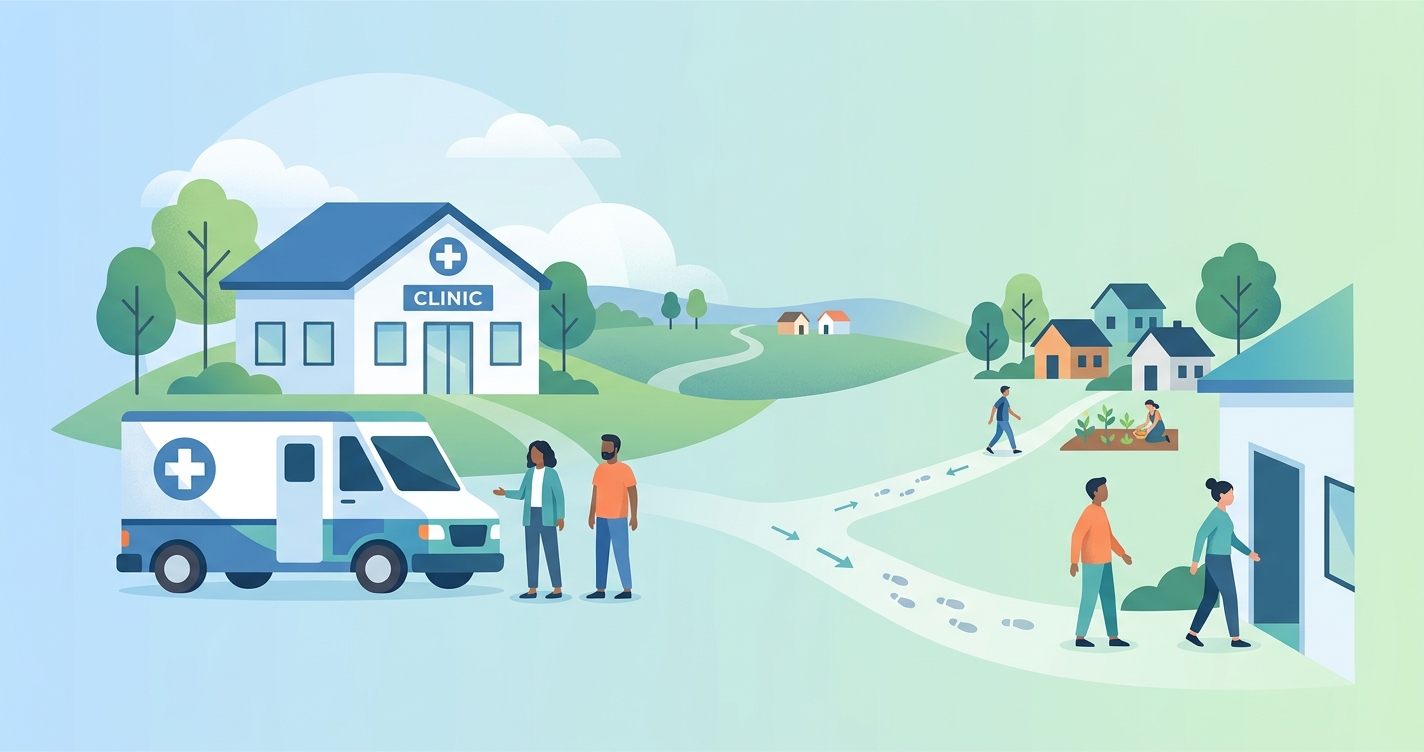
Health screening clinic visit patterns in rural programs are rarely simple. A screening itself is not a clinical intervention, but it sets in motion a chain of events that profoundly impacts how, when, and why people interact with formal healthcare systems. In many parts of the world, particularly in Sub-Saharan Africa, a significant portion of the population has limited contact with clinics, often only seeking care for acute illness. Proactive community-based health screening, particularly when powered by digital tools, disrupts this model by creating new, data-driven pathways to the clinic, shifting visit patterns from reactive to proactive.
"In our cohort of 50,000 community health screenings, we observed a 45% increase in first-time clinic visits for non-communicable disease (NCD) follow-up among adults aged 40 and older within three months of the screening program's launch in the region." - Dr. Alistair Ryes, Global Health Data Consortium, 2022
The shift from reactive to proactive visits
The primary change in health screening clinic visit patterns in rural areas is the move away from urgent, symptom-driven visits toward scheduled, preventive care appointments. Traditional healthcare utilization in many remote communities is characterized by long intervals between clinic visits, often years, unless a serious health issue arises. This leads to late-stage diagnoses and poorer outcomes, particularly for chronic conditions like hypertension and diabetes.
Community health screening programs, often led by trained local health workers equipped with mobile health (mHealth) technology, bring risk assessment directly to the population. When a screening identifies an individual with elevated risk factors, such as high blood pressure, abnormal blood glucose, or signs of anemia, the immediate next step is a referral to a local clinic for diagnosis and follow-up. This referral is a new trigger for a clinic visit that would not have otherwise occurred.
Research from institutions like the Ifakara Health Institute in Tanzania has shown that community-based screening initiatives directly lead to an uptick in clinic attendance for specific conditions. A 2021 study involving community health workers screening for hypertension found that referred patients who attended their clinic follow-up were significantly more likely to have their blood pressure controlled within six months compared to those who did not receive a formal referral (Mubyazi et al., 2021). This highlights a critical change: screenings create a new, non-acute reason to visit a clinic, establishing a relationship with the health system before a crisis occurs.
| Visit Driver | Traditional Pattern | Screening-Influenced Pattern |
|---|---|---|
| Timing | Unpredictable, based on symptom onset | Scheduled, based on screening results |
| Reason | Acute illness, trauma, or advanced symptoms | Follow-up, verification, preventive care |
| Condition | Often infectious diseases or late-stage NCDs | Early-stage risk factors (e.g., hypertension) |
| Data | Minimal patient history, paper records | Digital record from screening, baseline data |
| Outcome Focus | Treatment of immediate symptoms | Long-term management and risk reduction |
- Screenings generate a new 'first contact' with the health system for many adults.
- Referrals from screenings are often for conditions the patient did not know they had.
- This process turns asymptomatic risk into a reason for a clinical encounter.
- The result is a higher volume of visits for chronic disease management and preventive counseling.
Industry Applications
Prioritizing high-risk patients
Health screening data allows clinics to stratify populations by risk, fundamentally changing how they allocate scarce resources. Instead of seeing patients on a first-come, first-served basis, clinics can use screening data to proactively contact and schedule individuals who are at the highest risk. This is a form of data-driven triage that happens at the community level. For example, a clinic receiving referral data from a community health program can identify a cluster of individuals with consistently high blood pressure readings and organize a specific cohort day for evaluation, rather than waiting for them to arrive sporadically.
Improving resource and staff planning
The influx of patients from screening programs can strain clinic resources if not managed properly. However, because these visits are scheduled and based on specific data points, they also allow for better planning. A 2022 report from a program in Western Kenya noted that after implementing a digital screening and referral system, the partner clinic was able to forecast demand for hypertension and diabetes medications more accurately. This predictability in health screening clinic visit patterns in rural settings allows health facilities to optimize staffing, manage inventory, and reduce wait times, even as patient volume increases.
Mobile health clinics and telehealth integration
Beyond community health worker programs, the integration of mobile health clinics and telehealth has become a significant factor. A 2022 study highlighted by North Carolina Health News found that mobile clinics are a crucial alternative for providing preventive services like mammograms and cancer screenings in rural communities, ultimately improving outcomes and reducing emergency department visits. Concurrently, telehealth has surged as a primary method for overcoming geographical barriers. Data from the Kaiser Family Foundation shows that telehealth visits constituted a major portion of community health center visits from 2020 onward, sustaining access to care when in-person visits were challenging. This hybrid model of care delivery is fundamentally altering the traditional concept of a 'clinic visit'.
Current research and evidence
The link between health screening and clinic utilization is a growing area of study for public health researchers. Early research often focused on whether patients followed up on referrals. Now, the focus is on the downstream effects on health systems. A study by researchers at the University of Ghana in 2020 analyzed clinic records before and after the introduction of a community-based NCD screening program. They found that visits for hypertension management increased by over 200% in the first year. The demographic of the average patient also shifted, with a younger average age, indicating that screening was catching people earlier in their disease progression.
More recent evidence reinforces these patterns. A 2023 quality improvement project published by the National Institutes of Health detailed how a multidisciplinary team in a rural teaching clinic used electronic medical record analysis to address gaps in preventive care. Their work led to significant increases in lung cancer, colon cancer, osteoporosis, and hepatitis C screenings (Sallacian et al., 2023). This demonstrates that proactive, data-driven outreach, even in resource-constrained settings, can directly influence patient behavior and clinic utilization for preventive services.
The future of health screening and clinic patterns
As contactless monitoring and AI-powered screening tools become more accessible, the volume and specificity of data available at the community level will grow exponentially. The future of health screening clinic visit patterns in rural areas will likely be defined by hyper-personalization and automation. An AI could flag a high-risk individual from a contactless scan, automatically send a notification to the local community health worker's device, pre-populate a referral to the nearest clinic, and add the patient to a watch list for follow-up, all in a matter of seconds. This will further shift clinic workloads toward managing data-driven care pathways and away from ad-hoc consultations. This evolution requires a corresponding evolution in clinic management systems and public health strategy, focusing on how to absorb and act on this new wealth of information.
Frequently asked questions
Q: Do screening programs overwhelm rural clinics? A: While there is an initial increase in patient volume, the data generated from screening programs allows for better resource planning, such as scheduling specific clinic days for NCD follow-ups and managing medication inventory more effectively. In the long run, it can lead to more efficient clinic operations.
Q: How does health screening change the type of care provided? A: It shifts the focus from acute, reactive care for advanced illnesses to proactive, preventive care. Clinics find themselves doing more counseling, long-term disease management, and early-stage intervention, which improves overall population health.
Q: What is the role of community health workers in this process? A: They are essential. Community health workers build trust, conduct the initial screenings, and manage the referral process. They act as the bridge between the community and the formal health system, ensuring that at-risk individuals make it to their clinic appointments.
The evidence from global health deployments is clear: community-based health screening fundamentally alters health-seeking behaviors and clinic visit patterns in rural areas. By creating new, data-driven pathways to care, these programs don't just identify risk; they change the operational reality for clinics and health systems. As researchers and public health institutions continue to analyze these outcomes, Circadify remains committed to supporting these efforts with tools designed for the field. To learn more about our research collaborations and findings, visit our research hub at circadify.com/blog.