
mHealth Deployment Stories: 8 Programs That Scaled in 2026
An analysis of 8 mHealth deployment stories that successfully scaled in 2026, examining the data, scaling outcomes, and digital tools behind each program.
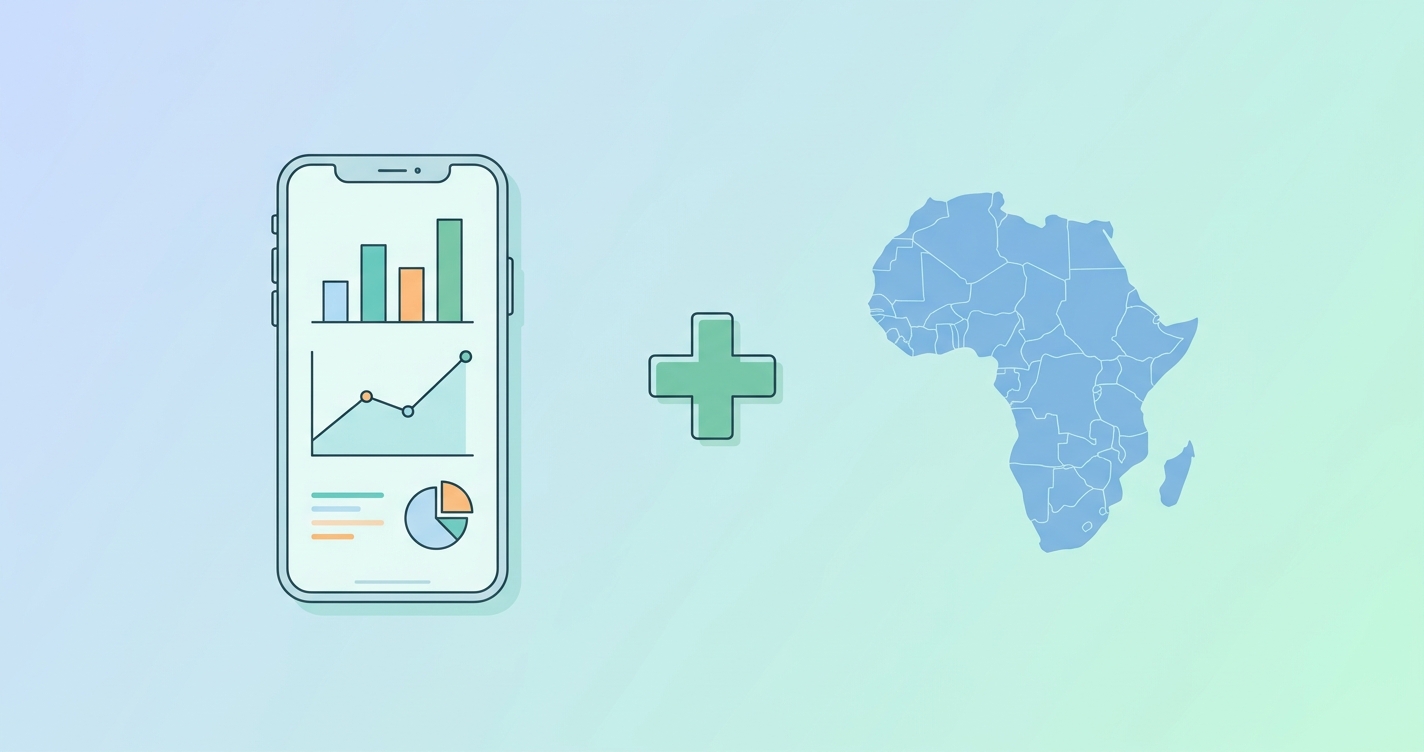
Global health funders, grant-making bodies, and academic researchers are shifting their focus from localized pilot studies to longitudinal, large-scale outcomes. In 2026, the global health technology sector is moving beyond small proofs of concept into national and regional integrations. For public health institutions, the most valuable data now comes from actual mHealth deployment stories where community health worker tools have expanded beyond a single district. The transition from an isolated initiative to a sustained regional rollout requires rigorous alignment with existing socio-technical systems, robust offline data architectures, and an intrinsic understanding of local care workflows.
"Transitioning integrated community case management from paper to digital platforms can reduce data submission delays by over 60 percent, but this technical shift requires continuous programmatic support and offline functionality to maintain health worker motivation at scale." - Winnifred K. Kansiime, Makerere University, 2024.
Evaluating mhealth deployment stories at scale
When assessing mHealth deployment stories across sub-Saharan Africa and Southeast Asia, researchers must categorize the mechanisms of scale. The year 2026 has provided a rich dataset of programs that transitioned from constrained testing environments to multi-district or national adoption. This expansion involves significant adaptation to infrastructure limitations, evolving data security protocols, and the continuous management of community health worker motivation.
Evaluating these initiatives reveals distinct patterns in how technology integrates with localized clinical guidelines. The focus has shifted from the novelty of the hardware to the reliability of the data collection process and the speed of referral pathways. Programs that successfully expanded prioritized workflow integration over isolated technical features.
| Program Name | Operating Region | Core Digital Intervention | Primary 2026 Scaling Outcome |
|---|---|---|---|
| YendaNafe Expansion | Malawi | Smartphone task management | Expanded to over 2,000 CHWs |
| Banda Parish iCCM | Uganda | Digital childhood disease tracking | Eliminated paper transcription errors |
| The dMOM Project | Vietnam | Localized maternal health video tools | Integrated cultural adaptations |
| Contactless Screening | Kenya | Mobile rPPG vital sign measurement | Scaled touch-free market screening |
| Mobile NCD Registries | Ghana | Asynchronous chronic disease records | Unified hypertension tracking |
| Mental Health Triage | South Africa | Mobile counselor-to-clinic feedback | Real-time supervision via mobile |
| Human-in-the-Loop AI | Senegal | Decision-support for prenatal care | Reduced unnecessary facility referrals |
| Population Profiling | Rwanda | Aggregate digital health monitoring | Accelerated outbreak response times |
Scaling a digital intervention requires specific structural elements. Based on the 2026 data from these expanded programs, several key facilitators enable consistent growth:
- Implementation of offline-first mobile architectures that cache data locally until network connections are established.
- Continuous, decentralized training modules that bypass the need for expensive, centralized workshop models.
- Utilization of standard commercially available smartphones rather than specialized medical hardware to reduce procurement bottlenecks.
- Integration of visual data collection methods that require minimal typing, supporting users with varying levels of digital literacy.
- Direct alignment with national health ministry reporting structures to ensure programmatic sustainability.
Industry applications in community care
The 8 programs that scaled in 2026 demonstrate how digital tools are applied across various clinical domains.
Maternal and child health digitization
Programs focusing on maternal and child health require high levels of community trust and cultural sensitivity. The dMOM Project in Vietnam adapted digital health interventions specifically for ethnic minority women. By 2026, the deployment successfully integrated localized language support and offline video education, proving that cultural adaptation is a mandatory component of digital scaling. The localized content ensured that health messaging resonated with the target population, driving behavioral change that standard translations could not achieve.
In Senegal, a community-centered care model utilized human-in-the-loop decision-support algorithms to guide health workers in identifying high-risk pregnancies. This program reduced unnecessary facility referrals while ensuring that critical warning signs were caught early. The technology acted as a structural guide rather than a diagnostic replacement, empowering lay health workers with structured clinical triage pathways.
Chronic disease management and contactless screening
The rise of non-communicable diseases in rural areas demands efficient population screening. In Kenya, regional district health offices deployed contactless vital sign measurement using remote photoplethysmography (rPPG) on standard smartphones. This touch-free screening program allowed a single health worker to evaluate up to 50 people during market days without carrying blood pressure cuffs or pulse oximeters. The deployment scaled because it removed hardware constraints and minimized physical contact.
Similarly, Ghana transitioned its fragmented mobile health alerts into unified mobile non-communicable disease registries. Community nurses now manage hypertension and diabetes screening records asynchronously. The digital registry provides longitudinal data tracking, ensuring that patients lost to follow-up are quickly identified by the system and visited by a community health worker.
Infectious disease and integrated case management
The digital transition of the integrated community case management (iCCM) program in Uganda eliminated paper transcription errors for childhood disease tracking. Health workers equipped with smartphones logged symptoms and demographic data directly into a central database. The 2026 deployment phase successfully integrated geo-mapping, allowing district health offices to visualize disease clusters in real-time.
In Rwanda, population digital health profiling utilized anonymized aggregate data from routine mobile health screenings. This continuous health monitoring enabled rapid response to localized infectious disease outbreaks. By analyzing the metadata of daily community health worker submissions, public health officials could allocate resources to specific sectors days before clinical facilities reported a surge in severe cases.
Mental health and care coordination
Scaling community-delivered mental health support in South Africa required secure mobile channels between lay counselors and clinical supervisors. This deployment facilitated real-time feedback and triage for depression and anxiety, ensuring that field counselors were not operating in isolation.
The YendaNafe expansion in Malawi focused on overall task management and care coordination. Originating as a localized tool, it scaled across the Neno District by focusing on user experience. Health workers reported that the application improved their daily efficiency and made them feel more professional in front of patients, driving high adoption and retention rates.
Current research and evidence
The expansion of these programs is grounded in rigorous academic research evaluating the socio-technical factors of digital health adoption.
Winnifred K. Kansiime and colleagues at Makerere University (2024) conducted extensive cross-sectional studies on the barriers and benefits of mobile health applications for community health workers in Banda Parish, Kampala. Their findings highlighted that while high training costs and infrastructure limitations present initial hurdles, the transition to electronic data recording significantly improves timely data submission, geo-mapping, and performance monitoring. In 2026, these findings serve as the foundation for the expanded digital integrated community case management programs across Uganda. The research confirmed that reliable data architecture is a prerequisite for district-level funding.
Similarly, research led by Chiyembekezo Kachimanga at Partners In Health (2024) regarding the YendaNafe mobile application in rural Malawi mapped the specific socio-technical system factors influencing technology adoption. The study demonstrated that despite initial discomfort, community health workers ultimately found that mobile tools improved their task efficiency, overall competence, and the perceived professionalism trusted by the community. As this deployment scaled to thousands of users, the programmatic support and continuous feedback loops identified in the initial research proved critical for long-term retention. Expanding a program relies heavily on the end-user perceiving the tool as a helpful asset rather than a surveillance mechanism.
The future of mhealth deployment
The programs that scaled in 2026 indicate a clear trajectory for global health technology. The reliance on single-function applications is decreasing in favor of interoperable digital ecosystems. Public health institutions are prioritizing software that can communicate with national health information systems, ensuring that community-level data flows directly into national disease registries.
Furthermore, the reduction of specialized hardware will accelerate deployment timelines. As software-based medical evaluation tools become more sophisticated, smartphones will serve as the primary diagnostic and reporting interface for rural health systems. The shift towards offline-first architectures will continue to mitigate the structural barriers of unreliable power and internet connectivity, allowing remote regions to participate fully in digital health initiatives.
Grant-making bodies are now structuring their funding around longitudinal outcome metrics rather than mere device distribution counts. The future of mobile health deployment relies on proving that digital integration structurally improves the referral pathway and the financial sustainability of community care models.
Frequently asked questions
What are the primary barriers to scaling community health applications?
Research indicates that high training costs, unreliable network connectivity, battery limitations, and software that does not align with local clinical workflows are the most significant barriers to scaling digital health initiatives in low-resource settings.
How do mobile health deployments impact data quality?
Transitioning from paper registers to mobile data collection reduces transcription errors, enforces required fields to prevent missing information, and allows for real-time validation, significantly improving overall data quality for public health institutions.
What role does hardware play in expanding digital health programs?
Programs are increasingly moving away from specialized medical hardware toward standard, commercially available smartphones. This reduces procurement costs, simplifies maintenance, and allows organizations to use existing device supply chains in rural areas.
How is contactless screening being used in field deployments?
Contactless screening technologies, such as remote photoplethysmography (rPPG), are deployed on standard smartphones to measure vital signs via standard camera sensors. This allows community health workers to screen larger populations quickly without carrying multiple medical devices.
Academic researchers, grant-making bodies, and public health institutions require robust data collection tools to turn pilot programs into sustainable, large-scale deployments. Circadify is addressing this space by developing infrastructure that supports efficient, scalable health monitoring in low-resource environments. For organizations looking to integrate advanced vital sign measurement and structured reporting into their next field deployment, explore our research papers and collaboration opportunities at https://circadify.com/blog.